The Ultimate Defense Against Rock Chips: How Physical Paint Protection Film Works
November 20, 2026

Rock chips, road debris, and environmental contaminants can gradually damage a vehicle's exterior. Even routine driving exposes paintwork to hazards that can leave scratches, chips, and discoloration. Paint protection film (PPF) offers a durable physical barrier that helps preserve a vehicle's appearance while reducing the risk of costly cosmetic repairs.


Understanding Paint Protection Film

Paint protection film was originally developed for military applications during the Vietnam War. The U.S. military needed a reliable way to protect helicopter rotor blades from debris and other impact damage. Over time, automotive manufacturers recognized the technology's potential, adapting it to protect vehicle exteriors from everyday road hazards.


Modern films have advanced considerably since their introduction. Early versions offered basic protection, while newer products incorporate improved materials, greater clarity, and self-healing capabilities. These developments allow vehicle owners to protect their paint without significantly changing its original appearance.

Most paint protection film products use a durable polyurethane material designed to absorb minor impacts. Its flexibility allows the film to distribute impact energy across its surface rather than transferring the full force to the underlying paint. Many products also include protective topcoats that resist scratches, stains, and environmental contaminants.


UV inhibitors provide another important benefit by helping protect both the film and the vehicle's original finish from prolonged sun exposure. Hydrophobic properties found in certain products also help water and contaminants slide off the surface more easily. Together, these features create a protective layer that supports long-term exterior preservation.


Comparing Different Types of Paint Protection Film

Clear film remains one of the most popular options because it protects the original paint without noticeably changing the vehicle's appearance. It is particularly useful for owners who want to preserve their factory finish while reducing damage from gravel, insects, and road debris. Its transparent construction makes it suitable for nearly any vehicle color.


Colored, matte, and satin finishes offer additional options for drivers interested in changing their vehicle's appearance. These products provide a different visual finish while still serving a protective purpose. High-performance films may also feature increased thickness or enhanced self-healing capabilities for vehicles exposed to demanding driving conditions.


Choosing the right product depends on driving habits, environmental exposure, and personal preferences. Forbes reports that paint protection film may last five to ten years before needing replacement, depending on the car's environmental conditions. Considering expected longevity and coverage options can help vehicle owners select a product that meets their needs.


Comparing Paint Protection Film With Other Treatments

Ceramic coatings, traditional waxes, and paint protection film all help maintain vehicle exteriors, but they serve different purposes. Ceramic coatings create a protective surface that helps repel water, dirt, and certain chemical contaminants. However, they do not provide the same physical impact resistance as a thick protective film.

Traditional waxing improves shine and offers limited protection against environmental contaminants. However, wax wears away over time and requires frequent reapplication. Neither wax nor ceramic coatings provide the same physical barrier against rock chips and road debris.


For drivers primarily concerned with preventing physical paint damage, paint protection film offers a more comprehensive solution. It can also be combined with certain other exterior treatments to provide additional surface protection. Understanding the differences between these products makes it easier to choose an approach that supports a vehicle's long-term condition.


Protecting Vehicles From Everyday Damage

One of the biggest advantages of PPF is its ability to absorb impacts from common road hazards. Gravel, small stones, sand, and other debris can strike a vehicle at high speeds, leaving permanent marks in exposed paint. A properly installed film helps absorb these impacts before they reach the original finish.


Certain areas are particularly vulnerable to this type of damage. Front bumpers, hoods, side mirrors, fenders, and door edges frequently encounter road debris and minor abrasions. Applying paint protection film to these areas helps reduce visible wear and keeps important exterior surfaces in better condition.


The film can also help protect against insects, bird droppings, and other contaminants that may affect automotive finishes. Although it does not eliminate every possible source of damage, it provides an additional layer of defense against everyday exposure. This protection can be especially valuable for vehicles that spend considerable time on highways or in demanding driving environments.


Preserving Appearance and Resale Value

A vehicle's exterior condition plays an important role in its overall presentation. Scratches, chips, fading, and other visible imperfections can make even a relatively new vehicle appear older. Protecting the original finish helps maintain a cleaner, more consistent appearance over time.


Many modern films feature self-healing properties that allow minor surface scratches to diminish when exposed to heat. This technology helps maintain a smooth appearance without requiring the film to be replaced after every minor abrasion. The protective layer also helps prevent many everyday contaminants from directly contacting the original paint.


Paint protection film can also support resale value by helping preserve the vehicle's exterior. Prospective buyers often pay attention to paint condition when evaluating a used vehicle. A well-maintained finish can create a stronger impression and make the vehicle more appealing in a competitive resale market.


While no protective treatment guarantees a higher selling price, preventing premature cosmetic damage can help reduce one source of depreciation. Owners who plan to keep their vehicles for several years may also appreciate avoiding repeated paint repairs. These benefits make exterior protection an important consideration for long-term vehicle ownership.


Understanding the Professional Installation Process

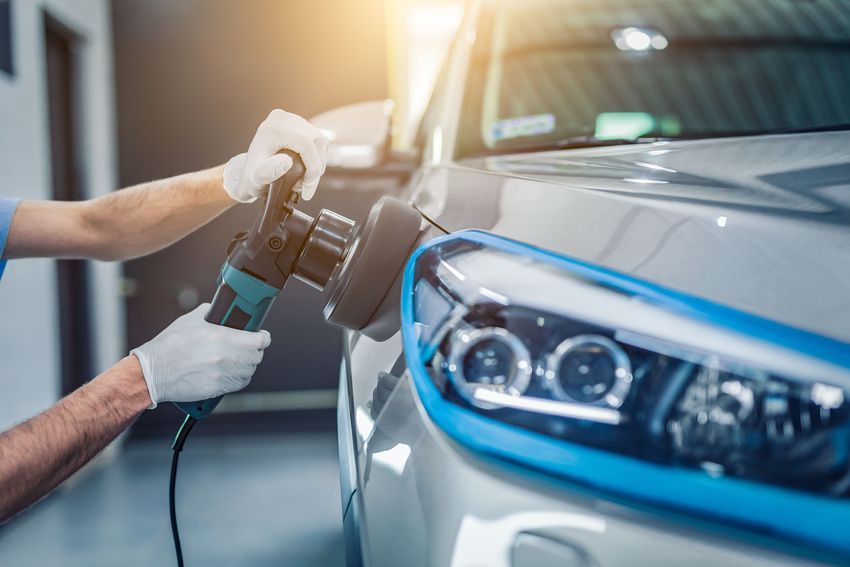
Professional installation begins with a thorough inspection and cleaning of the vehicle's exterior. Technicians evaluate the paint condition and identify imperfections that could affect the finished application. Removing dirt, oils, and other contaminants is essential for creating a smooth surface that allows the film to adhere properly.

Once the vehicle is prepared, technicians determine the appropriate film coverage for each panel.


Computerized templates are commonly used to match the contours of specific vehicle models. Custom fitting may also be necessary for certain designs, ensuring that the material follows the vehicle's curves and edges.

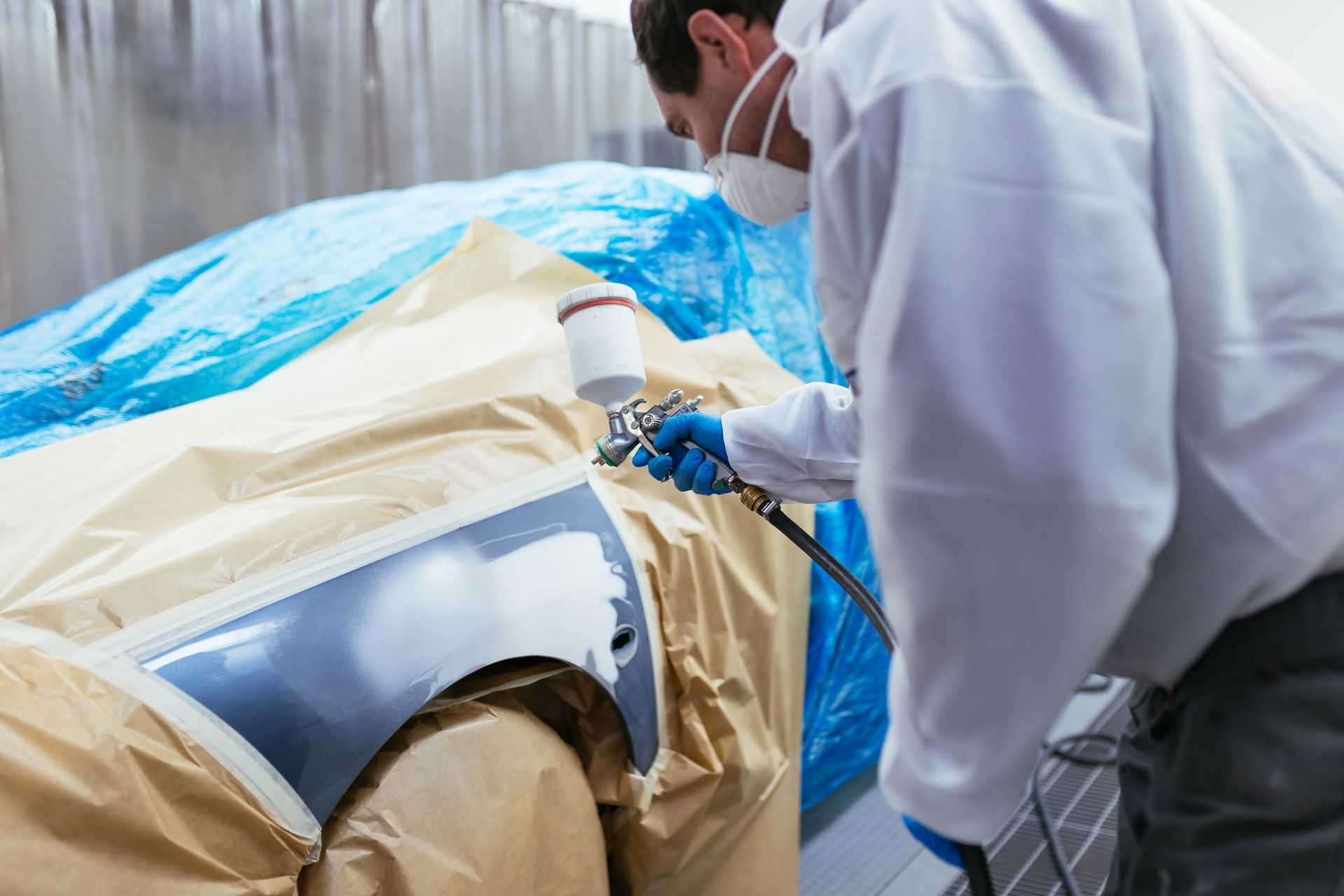
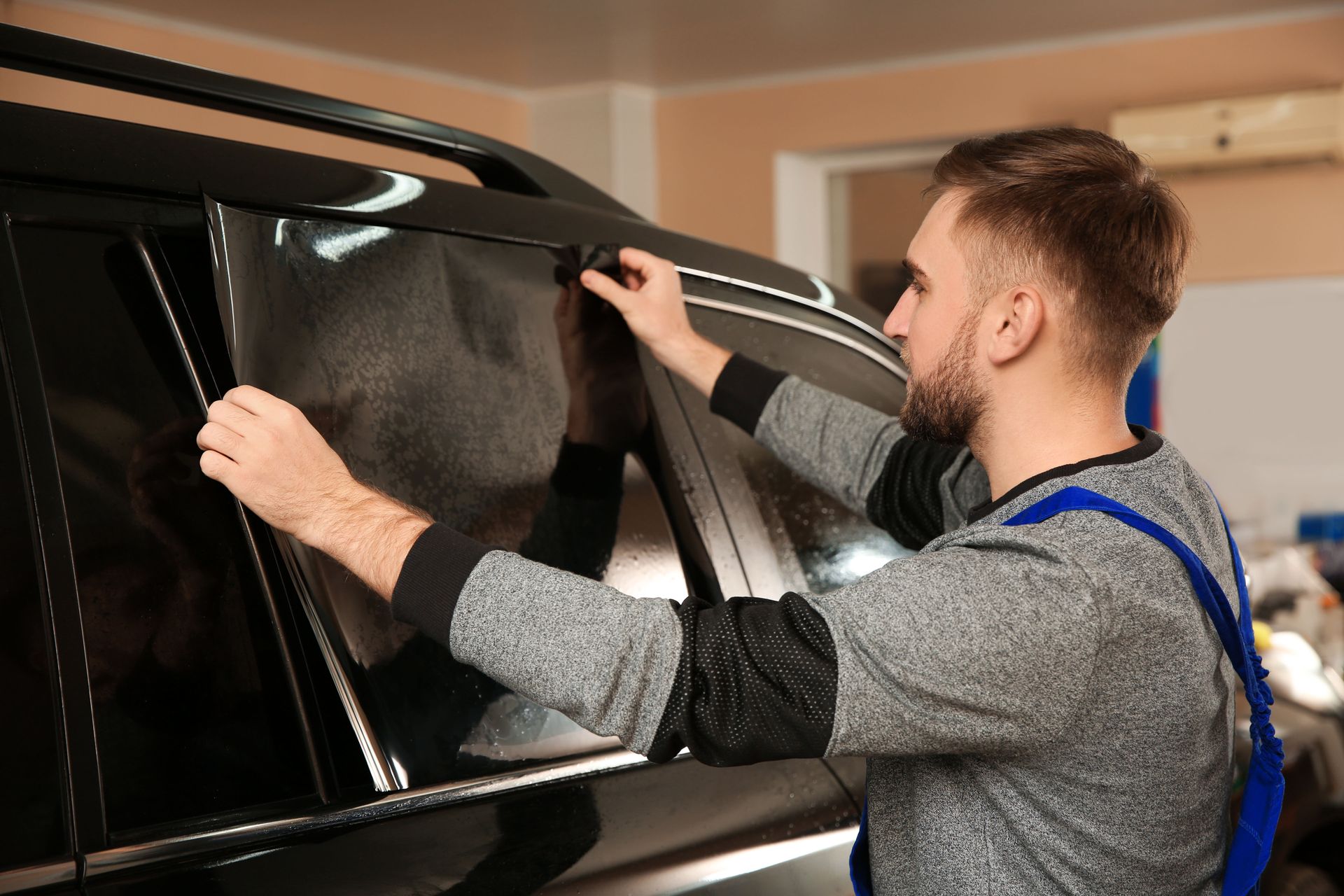
The application process requires specialized tools and careful attention to detail. Technicians position the film, use professional installation solutions, and smooth the material against the vehicle's surface. Proper application helps minimize trapped air, wrinkles, and visible imperfections that could affect the final appearance.


After installation, the film requires an appropriate curing period. Technicians typically inspect the edges, corners, and covered panels to identify any areas that may need additional attention. Following professional care recommendations helps support proper adhesion and long-term performance.


Maintaining Long-Term Film Performance

According to Forbes, paint protection film may last five to ten years before needing replaced, depending on the car's environmental condition. Although PPF reduces the amount of damage that reaches the original paint, it still requires appropriate care. Regular vehicle cleaning helps prevent accumulated dirt and contaminants from affecting the film's appearance. Owners should also follow the manufacturer's recommendations regarding cleaning products, washing methods, and maintenance intervals.


Over time, environmental exposure can affect the film's clarity and condition. Prolonged sunlight, road chemicals, and demanding weather conditions may contribute to discoloration or wear. Periodic professional inspections can help identify lifting edges, surface damage, or other issues before they become more noticeable.


The expected lifespan of a film depends on its quality, installation, and exposure conditions. Some products provide several years of protection, while others may require earlier replacement in particularly demanding environments. Understanding warranty coverage and recommended maintenance requirements can help vehicle owners make informed decisions.


Choosing Professional Paint Protection Services

Selecting an experienced installer is an important part of achieving reliable results. Different vehicles have unique body contours, paint finishes, and coverage requirements, making professional knowledge valuable throughout the process. An experienced technician can recommend suitable products and explain the advantages of different coverage options.


Vehicle owners should consider film quality, installation experience, warranty information, and available services when comparing providers. Clear communication about pricing and coverage also helps establish realistic expectations before work begins. These considerations can make a significant difference in the appearance and durability of the finished installation.


Protecting a vehicle's exterior is an investment in its appearance and long-term condition. At Extreme Detail Garage, vehicle owners can explore professional solutions designed to help preserve their automotive finishes. Contact Extreme Detail Garage to learn more about available paint protection options and find the right coverage for your vehicle.
vehicle ceramic coating
November 22, 2026
Learn seven questions to ask before getting a vehicle ceramic coating, including its cost, durability, maintenance needs, and paint protection benefits.
ceramic coating service
November 21, 2026
Discover how a ceramic coating service protects your car's paint from UV rays and road grime while boosting gloss and making routine washing effortless.
November 12, 2026
Spending time behind the wheel means regular exposure to sunlight, which can affect your skin, eyes, and vehicle interior. Although automotive glass provides some protection, certain ultraviolet (UV) rays can still penetrate untreated windows. Over time, this exposure can contribute to skin damage, fading upholstery, and uncomfortable driving conditions. At Extreme Detail Garage, we understand the importance of protecting your vehicle and everyone inside it. Professional window tinting helps reduce UV exposure while improving comfort, privacy, and your vehicle's appearance. Understanding how automotive films work can help you make an informed decision about protecting your investment. Understanding How UV Radiation Affects Drivers Recognizing the Different Types of UV Rays Ultraviolet radiation is an invisible form of energy produced by the sun. The two primary types that reach Earth's surface are UVA and UVB rays. UVA rays penetrate deeper into the skin and contribute to premature aging, wrinkles, and long-term cellular damage. UVB rays primarily affect the skin's outer layers and cause most sunburns. Both types can contribute to skin cancer development. Automotive glass blocks much of the sun's UVB radiation, but UVA protection varies depending on the glass. Windshields typically offer stronger UVA protection than untreated side windows, making additional protection valuable for frequent drivers. Recognizing the Effects of Repeated Sun Exposure Daily driving can create cumulative sun exposure, especially when sunlight enters through the driver's side window. Even short commutes contribute to long-term exposure when repeated consistently. According to the Skin Cancer Foundation, clear automotive window films can block 99% of ultraviolet light, helping reduce sun exposure while driving. Effective UV-blocking films do not necessarily require extremely dark windows. Professional window tinting provides an additional barrier against UV radiation, helping drivers and passengers limit unnecessary exposure. However, automotive films should complement sunscreen and protective clothing rather than replace them entirely. Recognizing the Effects on Eye Health UV radiation can also affect eye health. Prolonged exposure is associated with cataracts and other forms of sun-related eye damage. Bright sunlight and reflections from surrounding vehicles can create uncomfortable glare. High-quality automotive films help reduce incoming sunlight and glare, depending on their specifications. This can make daytime driving more comfortable, particularly when the sun sits lower in the sky. At Extreme Detail Garage, we believe protecting your vehicle should also mean considering the comfort and well-being of everyone inside. Exploring How Automotive Window Films Provide Protection Understanding How UV-Blocking Films Work Modern automotive films use specialized materials to absorb or reflect incoming solar radiation. Depending on their construction, these films may incorporate dyes, ceramic particles, or other advanced components. The effectiveness of window tinting depends on the film's UV rejection rating, material quality, and professional installation. Films engineered for UV protection can substantially reduce ultraviolet transmission without dramatically changing the appearance of automotive glass. Unlike temporary sunshades, professionally installed films remain attached to the glass, providing consistent coverage across treated surfaces. Understanding How Film Types Compare Different automotive films provide varying levels of UV rejection, heat reduction, glare control, and visible light transmission. Dyed films are commonly selected for their appearance and affordability. They can reduce glare and provide privacy, although their heat-rejection capabilities may be limited. Ceramic films use specialized particles to manage solar energy while maintaining visibility. Many premium ceramic products offer excellent UV rejection and improved heat control. Clear UV-protective films provide another option for drivers who want protection without significantly darkening their windows. Our team at Extreme Detail Garage can help customers understand these differences and select films suited to their preferences and applicable regulations. Understanding How Professional Installation Helps Proper installation is essential for achieving a clean appearance and dependable performance. Automotive glass features curves, edges, and contours that require careful preparation and precise film placement. Professional technicians use specialized equipment and application techniques to help prevent bubbles, contamination, and uneven edges. Correct installation also supports adhesion and reduces premature peeling. Choosing experienced professionals for window tinting helps ensure the finished product looks attractive and performs as intended. Professional guidance is especially important because automotive tint regulations vary by state and window location. Discovering the Everyday Benefits of UV Protection Protecting Your Skin During Daily Travel One important advantage of automotive UV protection is reducing the ultraviolet radiation reaching vehicle occupants. Drivers frequently receive sunlight through side windows, particularly on exposed arms, hands, and facial areas. Passengers may experience similar exposure depending on their seating positions. Quality window tinting helps limit this exposure by filtering UV rays before they reach the cabin. This benefit extends beyond summer because UVA radiation remains present throughout the year. For individuals who commute regularly or travel for work, consistent UV protection can be a valuable addition to a comprehensive sun safety routine. Protecting Your Interior From Sun Damage Sunlight affects more than vehicle occupants. Repeated UV exposure can contribute to fading, discoloration, and deterioration of interior materials. Leather seats, fabric upholstery, dashboards, and decorative trim may gradually show wear after prolonged exposure. UV radiation contributes to these changes, while excessive heat can accelerate deterioration. Automotive films reduce the UV radiation entering through treated windows. This protection supports the long-term appearance of interior surfaces and helps preserve your vehicle's condition. At Extreme Detail Garage, we recognize that maintaining an attractive interior is an important part of protecting your automotive investment. Improving Comfort During Sunny Weather Vehicles can become extremely warm when exposed to direct sunlight. Solar energy enters through glass surfaces and contributes to heat buildup inside the cabin. Certain automotive films reject a portion of this energy, helping reduce heat gain and improve passenger comfort. Ceramic films are particularly popular among drivers seeking effective heat rejection alongside UV protection. However, temperature improvements depend on film specifications, weather conditions, and glass coverage. Professional window tinting can also reduce distracting glare, creating a more pleasant driving environment. Although films cannot eliminate heat buildup or make parked vehicles safe for children or pets, they can improve comfort during normal vehicle operation. Choosing the Right Automotive Film for Your Vehicle Evaluating Your Protection Priorities Selecting an automotive film begins with understanding what matters most to you. Some drivers prioritize UV protection, while others focus on heat reduction, glare, privacy, or appearance. A quality film should offer documented performance specifications, including UV rejection, visible light transmission, and solar heat rejection. Visible light transmission indicates how much visible light passes through treated glass. Lower percentages generally produce darker windows, although darkness alone does not determine UV protection. At Extreme Detail Garage, we encourage customers to consider both performance and appearance when exploring their options. Evaluating Your Vehicle's Specific Needs Different vehicles present different installation requirements. Window dimensions, glass curvature, existing factory tint, and interior configuration can influence film selection. Factory-tinted privacy glass may appear dark without providing the same solar performance as specialized aftermarket film. Adding an appropriate product can improve protection, provided the combination complies with applicable laws. Our professional window tinting services focus on matching suitable products with each customer's vehicle and expectations. We also emphasize proper aftercare because newly applied films may require time to dry and fully adhere. Evaluating the Value of Professional Service High-quality automotive film is an investment in comfort, appearance, and long-term vehicle care. Professional installation helps maximize that investment through careful preparation, precise application, and informed product selection. Rather than focusing exclusively on film darkness or initial cost, drivers should consider durability, UV rejection, heat performance, and installation quality. At Extreme Detail Garage, our goal is to help customers understand their choices and feel confident about the protection they select. Experience Professional UV Protection at Extreme Detail Garage Sun exposure is an everyday consideration for drivers. From protecting skin against ultraviolet radiation to reducing interior fading and improving cabin comfort, automotive films offer benefits beyond appearance. At Extreme Detail Garage, we provide professional window tinting solutions designed to help drivers enjoy greater comfort and protection. Our team can help you explore suitable film options and understand how different products support your vehicle's needs. Contact Extreme Detail Garage today to learn more about our automotive tinting services and discover how professional installation can help protect your vehicle and enhance your driving experience.
auto ceramic coating
November 7, 2026
Are you thinking about performing an auto ceramic coating by yourself? Continue reading to learn why it's a good idea to let professionals take over.
November 5, 2026
Your vehicle's exterior faces constant exposure to sunlight, road debris, environmental contaminants, and changing weather conditions. Over time, these factors can cause scratches, fading, and other imperfections. At Extreme Detail Garage, we understand the importance of maintaining your vehicle's appearance and preserving its value. Professional paint protection solutions provide an effective defense against everyday wear. Understanding the science behind protective films and coatings helps vehicle owners make informed decisions. Today's advanced products offer several ways to maintain a beautiful exterior. Understanding the Science Behind Paint Protection How Automotive Paint Layers Work Automotive paint consists of multiple layers that create a durable, attractive finish. The primer provides adhesion and helps prevent corrosion, while the basecoat supplies the vehicle's color. A transparent clear coat adds gloss and provides defense against environmental exposure. Although modern automotive finishes are engineered for durability, they remain vulnerable to damage. Road debris, ultraviolet radiation, and chemical contaminants can gradually compromise the clear coat. Restoring deteriorated finishes may require professional correction or refinishing. Professional protective products add another barrier between painted surfaces and external hazards. How Environmental Factors Damage Paint Environmental exposure contributes significantly to automotive finish deterioration. Ultraviolet radiation can cause fading, while airborne pollutants may settle onto surfaces and produce discoloration. Bird droppings, tree sap, and insect residue present additional concerns because certain substances can damage clear coats when left untreated. Road salt and industrial fallout may also contribute to deterioration. Physical hazards are equally important. Gravel, loose stones, and roadway debris can strike painted panels, producing chips and scratches. These imperfections accumulate over time and diminish a vehicle's appearance. Choosing appropriate paint protection treatments helps reduce exposure to these threats. How Advanced Protective Materials Work Modern automotive films rely on specialized materials engineered to withstand everyday driving conditions. Thermoplastic polyurethane, commonly called TPU, is particularly important because of its flexibility, transparency, and abrasion resistance. According to Grand View Research, thermoplastic polyurethane accounts for 82.9% of the global paint protection film market, making it the leading material used in protective films. TPU-based films create a physical barrier that absorbs minor impacts before they reach the underlying finish. Certain premium products feature self-healing properties that allow light surface marks to diminish when exposed to appropriate temperatures. These advancements make protective films valuable for front bumpers, hoods, mirrors, and fenders. Exploring Different Automotive Protective Products How Traditional Wax Protects Paint Automotive wax remains a familiar option for enhancing exterior shine. Traditional formulations often contain carnauba wax, while other products incorporate synthetic ingredients designed to improve gloss and water resistance. Wax creates a temporary barrier that repels moisture and reduces contact with certain contaminants. It also enhances color depth, giving properly maintained vehicles a polished appearance. However, wax requires more frequent reapplication than advanced protective products. Environmental exposure, washing frequency, and weather conditions influence its longevity. Drivers seeking extended durability may benefit from discussing more advanced treatments with detailing professionals. How Synthetic Sealants Protect Paint Synthetic sealants provide another option for maintaining automotive finishes. Unlike traditional wax, these products rely on engineered polymers that create a longer-lasting protective layer. Many sealants offer improved resistance to moisture, environmental contaminants, and routine washing. Depending on the formulation and maintenance conditions, their protective effects may last several months. Sealants also enhance surface gloss, helping vehicles maintain a polished appearance. Their performance appeals to drivers seeking a balance between affordability and durability. Nevertheless, sealants cannot provide the same physical impact resistance as protective films. How Ceramic Coatings Protect Paint Ceramic coatings use specialized chemical formulations that bond with prepared automotive surfaces. Many contain silicon dioxide compounds that create a durable, hydrophobic layer once cured. Hydrophobic properties encourage water to bead and roll away, reducing dirt accumulation and making cleaning easier. Ceramic coatings can also resist certain environmental contaminants while enhancing gloss. Professional surface preparation is essential because existing imperfections may remain visible beneath the coating. Proper installation requires specialized products and careful attention to curing requirements. Although ceramic coatings provide meaningful benefits, they cannot prevent every scratch or stone chip. Their primary strengths involve surface maintenance, chemical resistance, and appearance enhancement. How Protective Films Protect Paint Paint protection film, commonly abbreviated as PPF, creates a transparent physical barrier over exterior panels. Its flexible construction conforms to vehicle contours while preserving the original finish. Unlike waxes and coatings, PPF absorbs minor impacts and resists certain abrasions. This makes it useful for vehicles frequently traveling on highways or encountering roadway debris. Professional installation involves precise measurements, surface preparation, and accurate positioning. Experienced technicians minimize visible edges, trapped contaminants, and installation imperfections. Coverage may focus on vulnerable front-end surfaces or extend across additional panels. Selecting appropriate coverage helps drivers balance protective benefits with their budget. Recognizing the Benefits of Professional Paint Protection Preserving Your Vehicle's Appearance A well-maintained exterior contributes significantly to a vehicle's presentation. Scratches, stains, and faded surfaces can make even a mechanically sound vehicle appear older. Protective films and coatings help maintain the original finish by reducing exposure to damaging elements. Depending on the product, they may also improve gloss and simplify maintenance. At Extreme Detail Garage, we recognize that every vehicle has different needs. A daily commuter may benefit from targeted film coverage, while an enthusiast vehicle might require a comprehensive approach. Professional recommendations help owners select treatments that complement their driving habits and appearance goals. Reducing Exposure to Everyday Hazards Roadway conditions create numerous opportunities for exterior damage. Small stones strike hoods, insects accumulate on bumpers, and environmental contaminants settle onto exposed surfaces. Protective films reduce damage from minor road debris. Ceramic coatings complement these benefits by making certain contaminants easier to remove during maintenance. Combining compatible treatments can provide broader coverage than relying on one product alone. However, no protective system makes automotive paint completely resistant to damage. Understanding each option's capabilities allows vehicle owners to establish realistic expectations. Supporting Long-Term Vehicle Value Exterior condition influences how prospective buyers perceive a vehicle. Noticeable scratches, paint chips, and fading may reduce visual appeal and affect resale negotiations. Investing in professional protective services can help preserve the original finish and reduce certain cosmetic repairs. Financial benefits depend on the vehicle, product selection, maintenance history, and driving conditions. Professional installation helps ensure materials perform as intended. Properly selected treatments offer lasting value through improved appearance and easier maintenance. At Extreme Detail Garage, our goal is to help customers protect their automotive investments through thoughtful recommendations and attention to detail. Choosing the Right Protection for Your Vehicle Evaluating Your Driving Conditions Selecting an appropriate treatment begins with understanding how a vehicle is used. Highway commuters encounter different hazards than drivers traveling primarily through residential neighborhoods. Vehicles frequently exposed to gravel, construction zones, or road debris may benefit from protective film on vulnerable panels. Cars parked outdoors may require additional consideration for environmental exposure. Climate, mileage, storage conditions, and personal expectations influence the most suitable approach. A professional evaluation helps identify which surfaces face the greatest risks. Comparing Professional Treatment Options Every protective product offers distinct advantages. Wax provides temporary shine, synthetic sealants offer extended surface resistance, and ceramic coatings support gloss retention and easier cleaning. PPF delivers a physical barrier against minor impacts, making it useful for high-contact exterior areas. Some drivers combine compatible films and coatings to address multiple concerns. Product quality, paint protection coverage, installation requirements, and maintenance expectations should influence the decision. Professional guidance clarifies these differences without focusing solely on initial pricing. Working With Experienced Detailing Professionals Successful installation requires more than selecting a premium product. Surface preparation, application techniques, environmental conditions, and curing procedures influence the finished result. Experienced professionals evaluate existing paint conditions and recommend appropriate services. Their expertise helps reduce application defects and supports reliable performance. At Extreme Detail Garage, we believe vehicle owners deserve clear information about their options. Whether your priority is maintaining gloss, minimizing road damage, or preserving your vehicle's appearance, professional guidance makes selecting the right solution easier. Contact Extreme Detail Garage to learn more about our automotive detailing and protective services. We're here to help keep your vehicle looking its best for years to come.
auto detailers
October 28, 2026
Discover why hiring professional auto detailers helps protect paint, preserve your interior, and simplify routine vehicle care. Request your estimate today!
paint protection
October 20, 2026
Extreme Detail Garage explains how professional paint protection film helps protect vehicles from rock chips, scratches, stains, and everyday road debris.
auto detailers
October 19, 2026
In today's world, the condition of a car can speak volumes. Here, we'll explore how professional auto detailers help maintain your vehicle's appearance.
window tinting
October 13, 2026
Extreme Detail Garage explains how professional window tinting helps protect vehicle interiors from UV rays, heat, glare, and sun damage. Call today!
auto detailers
August 13, 2026
Regular visits to auto detailers help to preserve the values of expensive cars. Here are a few of the ways these visits can help!