

Every vehicle owner understands the challenge of keeping exterior surfaces looking fresh, glossy, and pristine against daily environmental exposure. From harsh sunlight and airborne pollution to acidic contaminants and grime, modern clear coats face continuous hazards on the road. Navigating protective methods often brings motorists to modern surface solutions designed to shield paintwork for extended intervals. High-grade formulas alter the way surfaces behave, creating a hydrophobic layer that repels liquids and prevents grime from setting deeply into the finish.
The conversation around modern exterior preservation focuses on the distinction between shop-grade application methods and consumer options intended for home driveways. While personal consumer projects have gained attention across automotive forums, significant mechanical differences exist between retail over-the-counter bottles and specialist shop installations. Applying a long-term liquid polymer is a meticulous undertaking that requires extensive paint prep, specialized machinery, climate control, and deep material familiarity. The following sections explore the technical advantages of selecting an expert installation over consumer hand-applied alternatives.
Understanding Surface Chemistry and Environmental Demands
Maintaining an exterior finish requires examining how liquid coatings integrate with clear coat surfaces. A professional auto ceramic coating creates a semi-permanent chemical bond directly with factory finishes. This dynamic molecular layer produces a hard, glossy shield that withstands weather cycles far better than standard waxes.
Evaluating Molecular Bonding Differences
Consumer liquid kits intended for general retail purchase use lower concentrations of solids and active solvents. These dilute formulas exist to prevent quick-curing errors when applied on a home driveway without training. In contrast, commercial-grade formulas use concentrated liquid quartz and siloxane compounds that require expert hand leveling. A technician assesses the paint hardness of each individual vehicle panel to manage flash times effectively. If a formula flashes too quickly or sits unevenly, it forms cloudy high spots that cannot simply be wiped away with a towel. The resulting bond from commercial installation ensures lasting resilience against severe ultraviolet exposure and acidic environmental contaminants.
Assessing Consumer Priorities for Exterior Protection
Automotive enthusiasts and daily drivers evaluate protective options based on performance and longevity rather than immediate convenience. According to Zipdo, 52% of motorists place durability ahead of financial expenditure when choosing protective formulas. This statistic demonstrates a major transition in consumer behavior, as drivers realize that replacing short-lived exterior solutions repeatedly wastes both labor and effort. An authentic professional auto ceramic coating provides the multi-year endurance drivers seek by establishing an enduring barrier that resists degradation from wash chemicals and extreme seasonal temperatures.
Preparing Vehicle Panels for Maximum Chemical Adhesion
The actual installation of a liquid shield represents only the final phase of a long automotive restoration procedure. Without clinical paint correction and decontamination, no liquid polymer can successfully attach to vehicle panels.
Eliminating Surface Contaminants Thoroughly
Every automobile picks up microscopic rail dust, industrial fallout, brake particles, and tree sap during daily travel. Washing a vehicle with simple shampoo leaves bonded contaminants embedded inside the pores of the clear coat. Expert vehicle preparation includes multi-stage chemical decontamination, using dedicated iron removers and mechanical clay media to pull embedded grime loose. Technicians clean intricate gaps, door jambs, and emblems to eliminate stray debris. Skipping meticulous decontamination traps contaminants beneath the new layer, compromising surface bonding and creating rough textures.
Correcting Clear Coat Defects and Imperfections
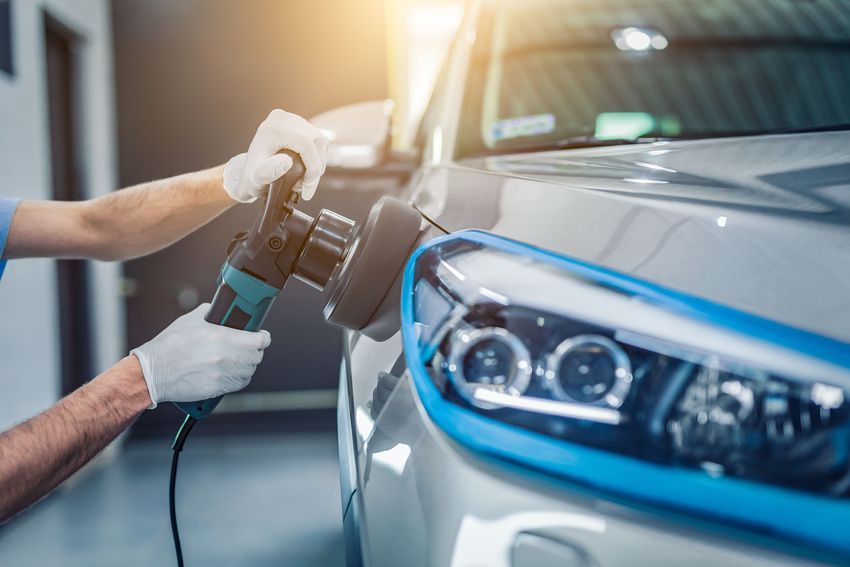
Applying any protective shield directly over clear coat defects magnifies every imperfection beneath it. Swirl marks from improper washes, fine scratches, and cloudy clear coat oxidation remain visible underneath clear formulas if not eliminated beforehand. Prior to applying an auto ceramic coating, certified technicians perform multi-stage machine paint correction using rotary and dual-action polishers. Specially chosen pads and abrasive compounds eliminate fine scratches and level uneven surfaces. Once paint correction restores gloss and clarity, the surface receives an isopropyl alcohol wipe-down to dissolve residual polishing oils, leaving a bare foundation for bonding.
Controlling Installation Conditions for Flawless Curing
Liquid glass formulas require strict environmental oversight to complete chemical cross-linking. Ambient atmosphere dictates whether a formula bonds smoothly or fails prematurely.
Managing Temperature and Humidity Factors
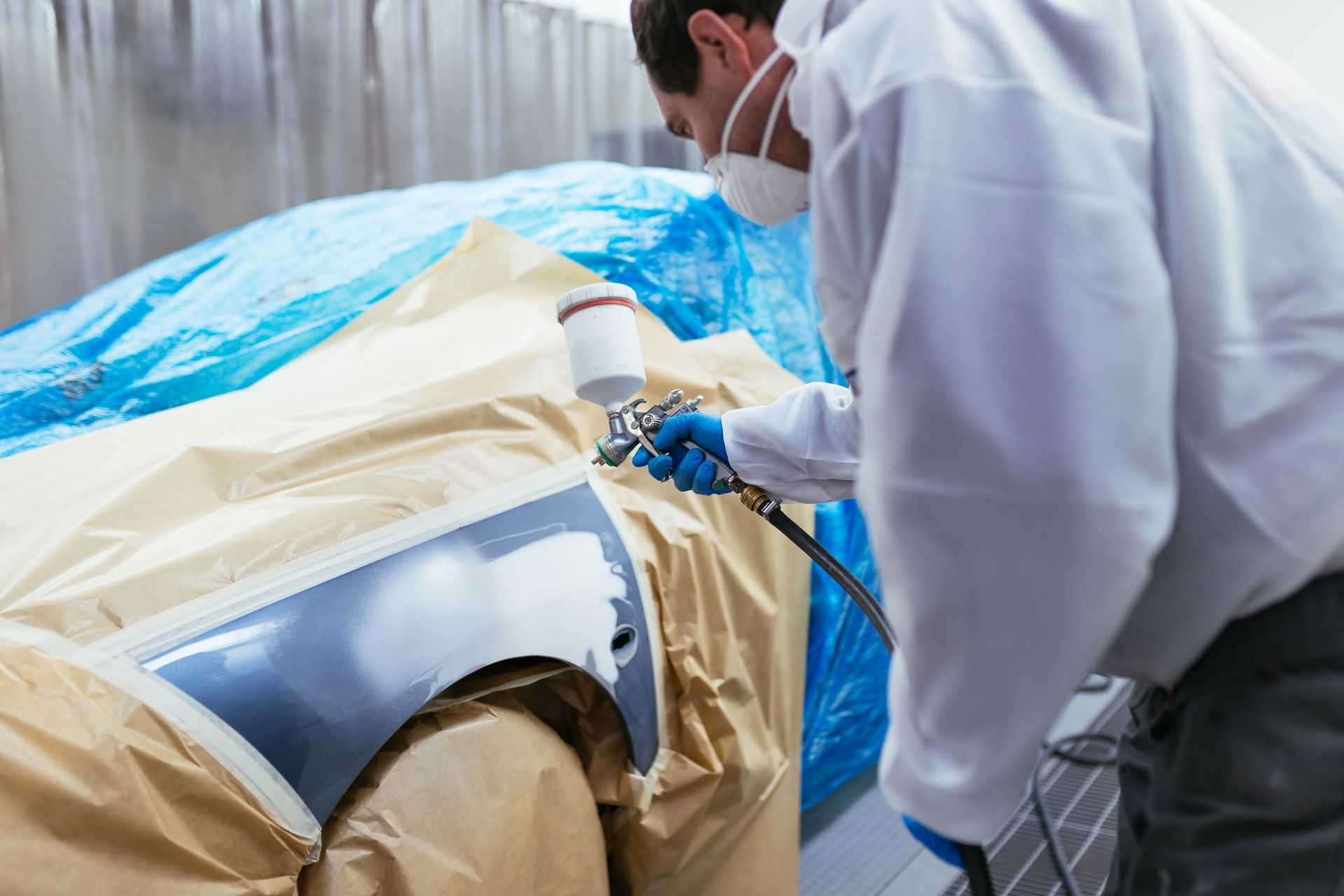
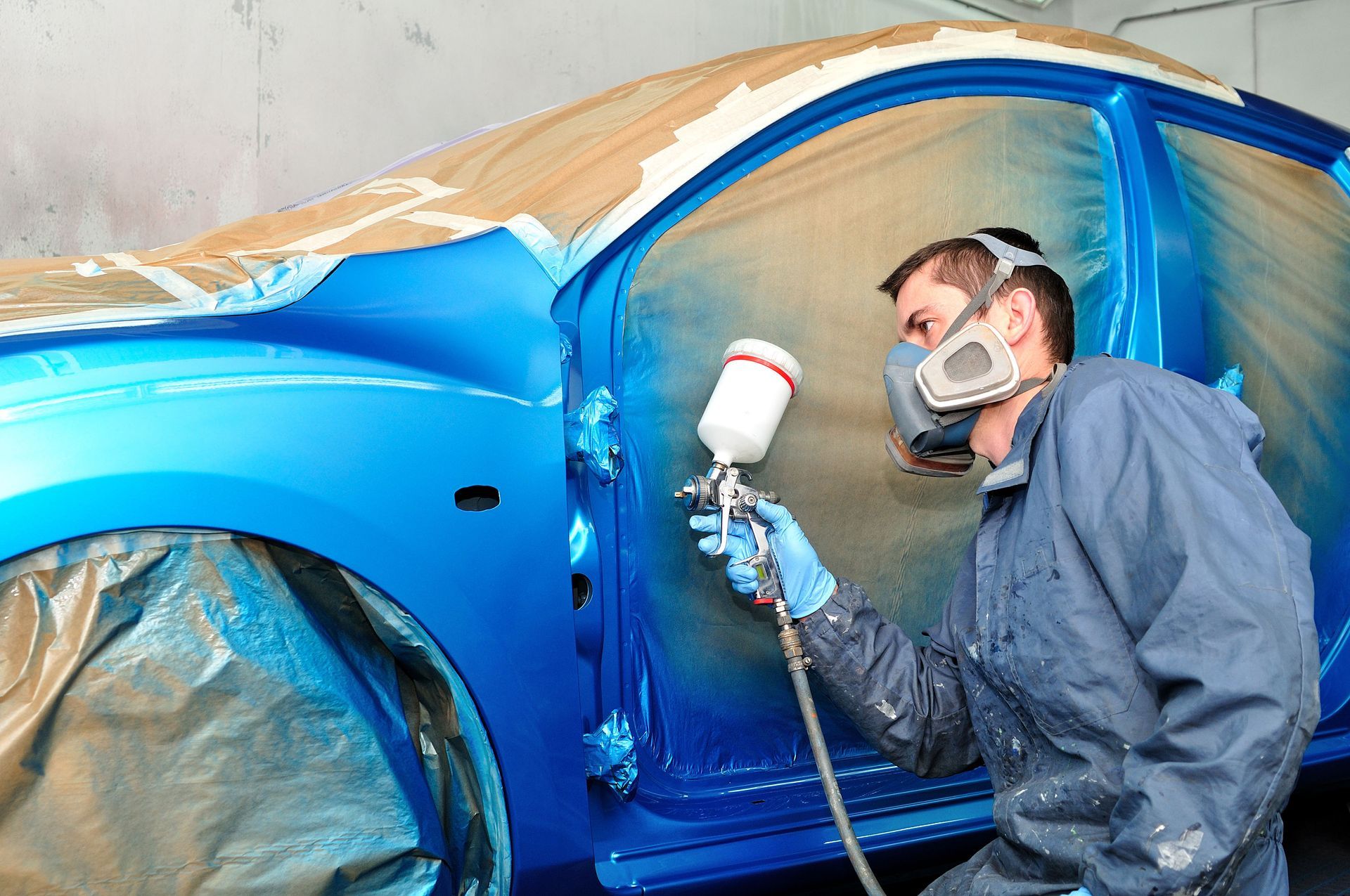
Ambient weather introduces unpredictability when applying liquid protection in a residential driveway or outdoor car canopy. Excess humidity causes formulas to flash prematurely, leading to streakiness and cloudy clear coat patches. High temperatures accelerate carrier evaporation, while cold temperatures delay cross-linking indefinitely. Rain, airborne pollen, morning dew, and windy gusts can ruin an uncured surface instantly. Specialized vehicle care facilities use climate-controlled shop bays maintained at specific temperatures and humidity levels. These clean rooms prevent airborne dust from falling onto tacky panels while the liquid cross-links with the clear coat.
Utilizing Specialized Curing Equipment
Commercial installations do not rely solely on passive air drying. Professional shops deploy short-wave infrared curing lamps directed at each panel. These infrared lamps penetrate the coating layer evenly from the bottom up, ensuring complete molecular cross-linking across every square inch. Regulated heat cycles bake the formula into the clear coat, eliminating moisture hazards and significantly boosting surface hardness before the vehicle ever encounters weather or traffic.
Delivering Hydrophobic Performance and Maintenance Ease
Drivers value modern exterior coatings for their daily functional benefits. An auto ceramic coating transforms vehicle maintenance by introducing advanced hydrophobic properties.
Repelling Grime and Enhancing Self-Cleaning Properties
The chemical structure of an auto ceramic coating creates an exceptionally high water contact angle across all painted panels. Rainwater forms tight spherical beads that roll off panels, carrying away road salt, light dirt, and surface grime. This self-cleaning effect prevents harsh road film from baking into the finish during hot summer afternoons. Exterior surfaces stay cleaner between routine appointments, and subsequent washes require significantly less physical agitation, eliminating the primary cause of clear coat swirl marks.
Increasing Depth of Gloss and Color Clarity
Beyond protection, an auto ceramic coating enriches the visual aesthetics of factory clear coats. Machine polishing flattens minor orange peel texture, and the high-index refractive polymers intensify light reflection. Metallic flake pops with vibrant distinction, while dark tones show deep, mirror-like clarity that ordinary sealants cannot replicate. The surface finish feels slick and glass-smooth, highlighting the vehicle's original body contours.
Maximizing Long-Term Automotive Preservation
Guarding vehicle bodywork preserves physical appearance, shields original panels from oxidation, and maintains resale desirability. An exterior protected by a dedicated auto ceramic coating withstands environmental assaults that routinely weather neglected clear coats.
Preventing Premature Clear Coat Degradation
Ultraviolet radiation gradually breaks down modern waterborne vehicle paints, leading to clear coat fading, oxidation, and clear coat failure over time. Concentrated liquid polymers incorporate advanced ultraviolet inhibitors that act like a sunscreen for exterior bodywork. Daily commuters exposed to sun, acid rain, bird droppings, and insect splatters maintain structural clear coat defense. Harmful elements wash away before causing deep etching in the underlying paint.
Streamlining Ongoing Exterior Care
Vehicle owners spend substantial time waxing, scrubbing, and buffing exterior panels to maintain a clean appearance. Choosing a professional auto ceramic coating eliminates the cycle of applying traditional waxes every month. Routine maintenance simplifies down to gentle two-bucket washes using pH-neutral automotive shampoo and plush microfiber towels. Drivers save hours of labor while enjoying consistent, year-round exterior defense.
Investing in an
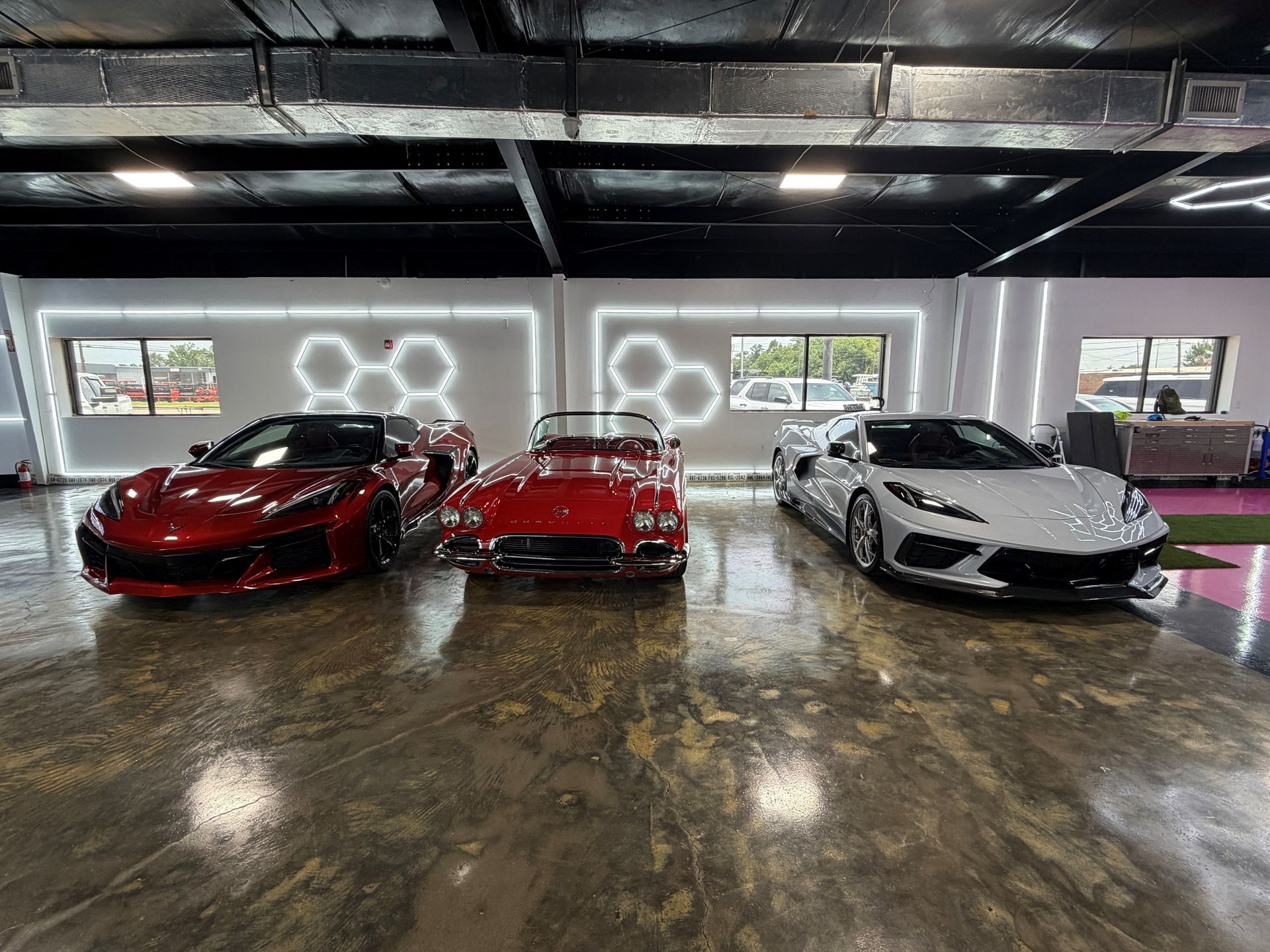
auto ceramic coating provides lasting durability, deep gloss, and low-maintenance exterior protection that basic alternatives cannot replicate. Professional installations combine chemical decontamination, precision paint correction, specialized equipment, and climate-controlled curing environments to secure an uncompromised molecular bond. For vehicle owners seeking complete exterior care and enduring paint protection, contacting the specialists at Extreme Detail Garage provides the high-level craftsmanship and automotive attention your vehicle deserves.


Share On: